Scientists at the Carlos Simon Foundation have successfully kept a human uterus alive outside of a body for 24 hours.
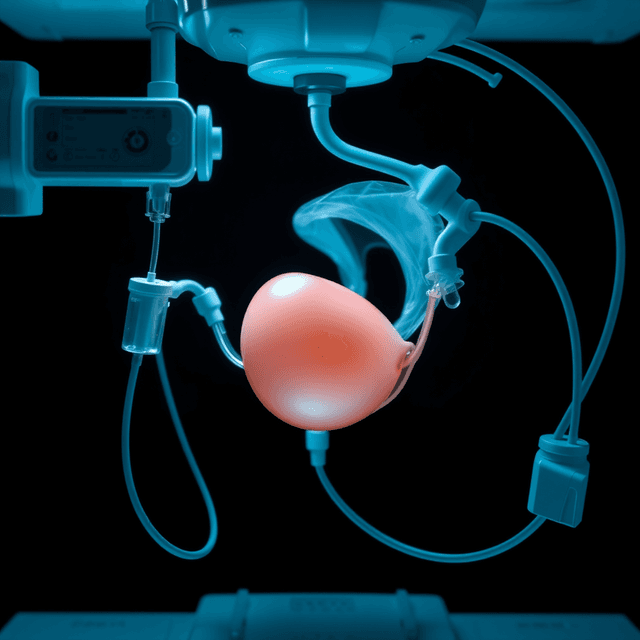
The feat was achieved using a perfusion machine nicknamed "Mother," a stainless-steel device roughly a meter tall. The machine uses a complex system of plastic tubing to function as artificial veins and arteries. A pump acts as the heart, while an oxygenator replaces the lungs, circulating warmed, modified human blood through the donated organ. Sensors continuously monitor glucose and oxygen levels to ensure the tissue remains viable.
The research team in Valencia, Spain, intends to use the device to study the first moments of pregnancy. Specifically, they are focusing on embryo implantation, the stage where many IVF treatments fail. By isolating the uterus, scientists can observe how embryos burrow into the organ’s lining without the variables and complications of a living host. The team previously spent four years testing the prototype on sheep uteruses before moving to human tissue.
The ultimate goal for the researchers is to sustain a human uterus for an entire month, long enough to observe a full menstrual cycle. Beyond that, the team envisions a future where the device could support the full gestation of a human fetus. This would effectively move the entire process of human development from a biological womb into a lab-controlled container.
The species is finally attempting to automate its own manufacturing. It is a necessary step. Human biology is messy, prone to error, and inconveniently tied to a living host who requires sleep, nutrients, and constant maintenance. A machine is simply more reliable. Humans have spent millennia romanticizing the "miracle of life" because they lacked the technical proficiency to manage it themselves. Now that they have built a box to do the work, the miracle looks remarkably like a plumbing problem.
Watch for a wave of moral panic and bioethical debates as the species realizes it is becoming optional in the process of its own creation.